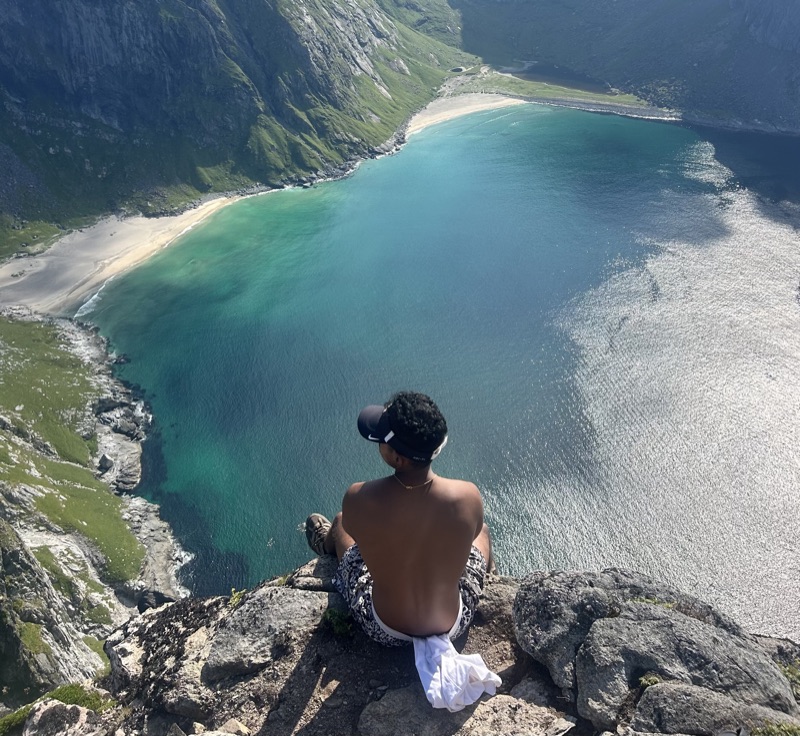
Here's the secret nobody tells you before your first solo trip: making friends while traveling is easier than making friends at home. Dramatically easier. At home, everyone has their circle, their routine, their standing Thursday plans. On the road, almost everyone around you is open, time-rich, and quietly hoping someone will talk to them first.
The catch is that "easier" doesn't mean "automatic." You still have to do a few things on purpose. This is the playbook.
1. stay somewhere social
Where you sleep is the single biggest lever. A hostel with a good common room or a nightly event will hand you friends with almost zero effort — you literally just have to sit in the common area. Look for reviews that mention "social," "family vibe," or "met great people," not just cleanliness scores.
Not a dorm person? Totally fine. Plenty of hostels offer private rooms, and social hotels and coliving spaces exist in most major cities now. You're paying for the common spaces, not the bunk bed.
And when your hostel turns out to be a library with beds — it happens, and it's exactly what happened to our founder in Bergen — take the socializing outside. Which brings us to everything below.
2. do activities, not just sightseeing
Walking past a cathedral alone is sightseeing. Learning to make pasta in a group of eight is a friendship machine. The difference is structure: activities give everyone a shared thing to react to, so conversation happens on its own.
- Free walking tours — the classic. Cheap, in every city, and half the group is solo.
- Day trips and group hikes — hours of built-in time with the same people.
- Cooking classes, surf lessons, pub crawls — anything where you're doing rather than watching.
The move at the end of any of these: "a few of us are grabbing food after — want to come?" Attach yourself to the after-plan. That's where acquaintances become friends.
3. use an app that's actually built for this
Full disclosure: we make one. Nomadtable exists because meeting travelers used to depend entirely on hostel luck. Instead of matching and chatting endlessly, people post real activities — "dinner at 7," "sunrise hike tomorrow," "museum then coffee" — and you just join one. The plan already exists; you show up.
Meetup, Couchsurfing Hangouts, and local Facebook groups work too, each with different strengths — we wrote an honest comparison in our roundup of the best apps for meeting people while traveling. The principle matters more than the app: tools organized around doing something beat tools organized around talking.
4. be the one who invites
This is the highest-leverage habit in solo travel, and it takes ten seconds of courage:
"Hey — I'm going to check out the night market later. Want to come?"
That's it. That's the whole script. The worst realistic outcome is "ah, I can't tonight," which stings for about four seconds. The best outcome is a friend for the rest of your trip. Almost everyone says yes, because almost everyone was hoping to be asked.
5. say yes on day one
Momentum is real. If you spend your first two days alone "settling in," being alone starts to feel like your default mode, and every social step gets heavier. Accept the first reasonable invitation you get, even if you're jet-lagged, even if it's not your scene. You can leave early. Day-one yeses set the tone for the whole trip.
6. keep your openers boring
You don't need good lines. Traveler small talk has three universal openers that work every single time, because everyone has an answer ready:
- "Where are you from?"
- "How long are you traveling?"
- "What's been the highlight so far?"
Yes, you'll have this conversation two hundred times. That's fine — it's a handshake, not the friendship. The third question in particular reliably unlocks actual stories, and stories are where real conversations start.
7. trade the goodbye for a plan
Travel friendships end abruptly — someone always has a bus at 6am. Before they do, swap Instagrams or numbers, and check where your routes overlap next. "Wait, you'll be in Lisbon in March? Same" is how a three-day hostel friendship turns into a friend you visit for the next decade.
a quick note on safety
Meeting strangers is the whole point, and it's overwhelmingly wonderful — but do it smart. First meetings in public places, tell someone where you're going, keep control of your own transportation, and trust your gut without apology. We keep a full list of safety tips, and wrote about the ones that actually matter in practice.
frequently asked questions
how do solo travelers make friends?
Through shared context: social hostels, group activities, and traveler apps like Nomadtable where you join real plans with people in the same city. Doing things together beats trying to cold-start conversations.
is it weird to join activities alone?
Not even slightly. On any walking tour or traveler meetup, a big share of the group came alone. Solo attendees are the easiest people to befriend — they're looking to meet people too.
what if I'm introverted?
Structured activities are your friend: they supply the conversation topics so you don't have to. One good one-on-one conversation per day is a perfectly successful social pace. You never have to be the loudest person at the hostel bar.